
A bone density scan is a 10 to 15 minute imaging test, painless and without contrast dye, that measures the mineral density of your lumbar spine and hip to estimate fracture risk. The result is reported as a T-score: above -1 is normal, between -1 and -2.5 is osteopenia, and -2.5 or below is osteoporosis.
Bone is living tissue that renews itself throughout life. We reach peak bone mass at around 30, and from then on the balance tips slowly towards loss. The process is painless and silent, which is why osteoporosis is so often discovered only after a fracture.
What a bone density scan measures
It is an imaging test that measures bone mineral density — how much mineral there is per area of bone. The reference technique is DXA (dual-energy X-ray absorptiometry), and two sites are usually scanned: the lumbar spine and the neck of the femur, in the hip. These are the two locations that best predict fracture risk.
It is not the same as an ordinary X-ray. An X-ray shows a fracture once it has happened; a DXA estimates how fragile the bone is before anything happens.
What is the appointment like?
It is one of the simplest tests we carry out:
- It takes 10 to 15 minutes and is completely painless.
- You lie on your back on a couch, fully clothed, with your legs resting on a padded support so the spine sits in the right position.
- A scanning arm passes over you without touching you. There is no enclosed tunnel, so claustrophobia is not an obstacle.
- No injection, no contrast dye, no fasting.
- The radiation dose is very low — considerably lower than a standard chest X-ray.
A radiologist then writes the report, and your doctor goes through it with you alongside the rest of your medical history.
Who should have a DXA scan?
A DXA is not a test for everyone at any age; a doctor requests it when there is reason to suspect bone loss. The usual reasons are:
- Women after the menopause, particularly an early menopause (before 45) or a surgical one, as falling oestrogen levels speed up bone loss. It is one of the topics covered at the annual gynaecology check-up.
- Men and women from around 65 to 70, depending on clinical judgement and risk factors.
- A previous fragility fracture — a wrist, vertebra, hip or upper-arm fracture after a fall from standing height.
- Long-term treatment with oral corticosteroids or other medication that affects bone.
- A parent who broke a hip, or a family history of osteoporosis.
- Low body mass index, significant weight loss, smoking or heavy alcohol use.
- Conditions that affect bone: rheumatoid arthritis, inflammatory bowel or malabsorption disorders, an overactive thyroid or parathyroid.
If any of these apply to you, mention it at your next appointment. One scan often clarifies a great deal.
How do you read the T-score?
The T-score compares your bone density with that of a healthy young adult population. The internationally accepted thresholds are:
- -1 or above: normal bone density.
- Between -1 and -2.5: low bone mass, often called osteopenia.
- -2.5 or below: osteoporosis.
Two points are worth keeping in mind. First, for women before the menopause, younger men and children the Z-score is used instead, comparing you with people of the same age and sex. Second, and more importantly, a number on its own is neither a diagnosis nor a verdict. What guides treatment is overall fracture risk, which also takes in age, previous fractures, medication, body weight and the likelihood of falling.
Looking after your bones
- Calcium: roughly 1,000 to 1,200 mg a day depending on age and life stage, ideally from food — dairy, tinned sardines with the bones, pulses, nuts, leafy greens, fortified drinks.
- Vitamin D: this is what allows calcium to be absorbed. Sensible sun exposure and oily fish help; take supplements only if your doctor recommends them.
- Weight-bearing exercise: brisk walking, stairs, dancing or gentle running, plus two strength sessions a week. Swimming is excellent for many things, but it does not load the skeleton.
- Balance: most fractures start with a fall. Practising stability, having your eyesight checked, reviewing medication that makes you drowsy and removing loose rugs and poor lighting at home matter as much as calcium.
- Stopping smoking and keeping alcohol moderate.
Frequently asked questions
Does a bone density scan hurt, and do I need to undress?
It is entirely painless and you stay fully clothed. We will simply ask you to remove metal objects from the area being scanned, such as belts or zips.
How often should the scan be repeated?
Your doctor decides, based on the result and your fracture risk: often every one to two years when there is treatment or ongoing bone loss, and at longer intervals when density is normal.
Is a DXA scan covered by private health insurance?
Many insurers cover it with a medical referral and a pre-authorisation. Check the list of insurers and ask at reception when you book if you are unsure.
Booking a scan
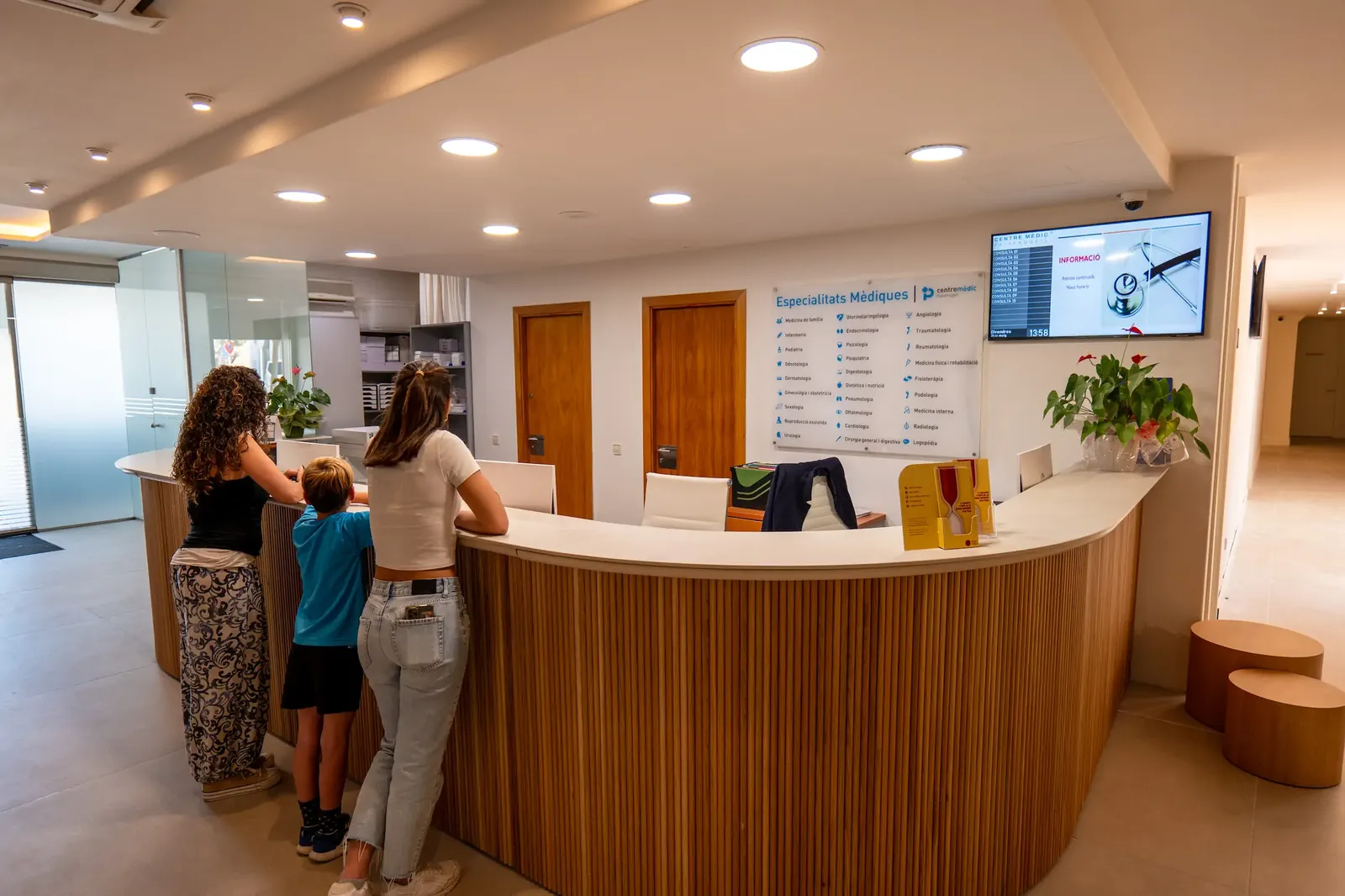
We carry out bone density scans at the clinic, with a radiologist's report and, where needed, follow-up with rheumatology — which is also where osteoarthritis and arthritis are told apart — or dietetics and nutrition. Call 972 30 65 65 or write to us through the contact form. We are open Monday to Friday from 8 am to 8 pm and Saturdays from 9 am to 2 pm.