Sports physiotherapy is about getting you moving without pain and, above all, getting you back properly: working out what went wrong, treating the injured tissue and retraining the movement until it tolerates your usual load again. The vast majority of overuse injuries we see at our physiotherapy centre in Palafrugell settle well when they are treated early and with a clear plan.
People train all year round in the Baix Empordà: bike rides along the inland lanes, padel in the evening, swimming in the Costa Brava coves and coastal paths that tempt you into walking for hours. With that much activity, a handful of injuries come back season after season.
Which sports injuries do we see most?
Running
Achilles tendinopathy, plantar fasciitis, iliotibial band syndrome (the familiar pain on the outside of the knee) and patellofemoral pain. They usually follow a sudden change: more kilometres, new shoes, or far more climbing than usual.
Cycling
Here it is neck and lower back discomfort from a sustained position, pain at the front of the knee, and wrist or hand problems. Often the issue is not the body but the size and set-up of the bike.
Padel
The sport of quick changes of direction: tennis elbow, shoulder problems from overhead shots, ankle sprains and calf overload. Calf muscle tears are common here too.
Swimming
Swimmer's shoulder: pain from the repeated stroke pattern, often with an undertrained shoulder blade and rotator cuff behind it.
Hiking and the coastal paths
Long descents and uneven ground mean ankle sprains, knee pain going downhill and overloaded calves. A ten-kilometre holiday walk, without the miles behind you, takes its toll.
What happens at the first physiotherapy appointment?
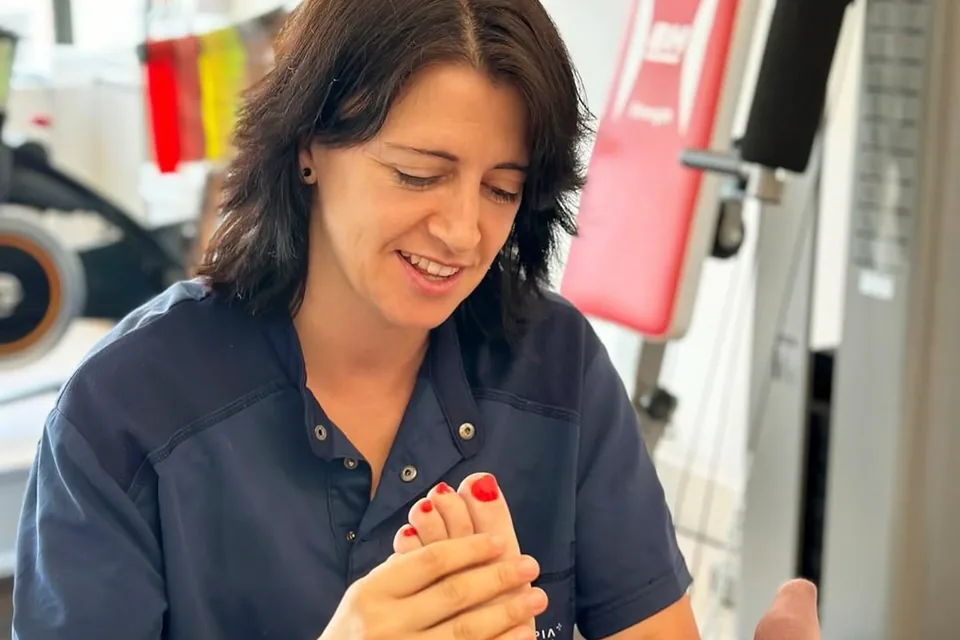
The first appointment is above all an assessment: the history of the injury, how you move, your training load, and what makes the pain better or worse. From there your physiotherapist builds a plan, combining the tools that fit your case:
- Therapeutic exercise: the foundation of treatment and what makes results last. Progressive, prescribed loading so the tissue learns to tolerate effort again.
- Manual therapy: joint and soft tissue techniques to improve mobility and settle pain, always alongside the exercise programme.
- Dry needling: a fine needle into muscular trigger points to reduce tension and restore range.
- EPTE (percutaneous therapeutic electrolysis): a galvanic current delivered through a needle under ultrasound guidance to the degenerated tissue, useful in tendon problems that have become long-standing.
- Neuromodulation: electrical stimulation of the nerve to modulate pain and improve muscle activation in persistent cases.
- Return-to-sport rehabilitation: the final stage, and the one most often skipped. Running, jumping, braking and changing direction again, step by step, before going back to competition.
Which techniques are used is the physiotherapist's decision after examining you; not every injury needs every tool.
When should I book a physiotherapist?
Do not wait if:
- The pain lasts more than ten to fifteen days even though you have eased off.
- It makes you limp or changes the way you move.
- It appears at night or at rest, or keeps you awake.
- There was swelling, bruising or a feeling of giving way after a sudden movement.
- It is a niggle that comes back every season in the same place.
After a significant injury, marked loss of strength, or if you cannot put weight on the foot, start with a medical assessment: the centre offers trauma and orthopaedics and the imaging you may need before rehabilitation begins. If the joint pain is worse in the morning and persistent, it is worth reading how osteoarthritis and arthritis differ.
How to prevent overuse injuries
- Build up gradually: small weekly increases in load rather than one heroic weekend.
- Do strength work: two sessions a week markedly reduce overuse injuries in any endurance sport.
- Warm up properly before padel or interval sessions; five rushed minutes do not count.
- Check your kit: worn shoes and a poorly fitted bike are two quiet causes of injury.
- Sleep and eat well: tissue repairs while you rest, not while you train.
If you are returning to sport after years away, or you are over 40 with cardiovascular risk factors, an exercise stress test and cardiology review is a sensible way to start.
Frequently asked questions
How many physiotherapy sessions will I need?
It depends on the injury, how long it has been going on and how much sport you do. At the first appointment your physiotherapist will give you an estimate and review it as you respond to treatment.
Do I need a doctor's referral to see a physiotherapist?
Not if you come privately. If you want to use your insurance, most companies ask for a prescription and a pre-authorisation — check the details on the list of insurers.
Can I keep training while I am being treated?
Almost always, with adjustments. Stopping everything is rarely the best answer: the volume, the intensity and the type of movement are adapted while the tissue recovers.
Where to find us and how to book
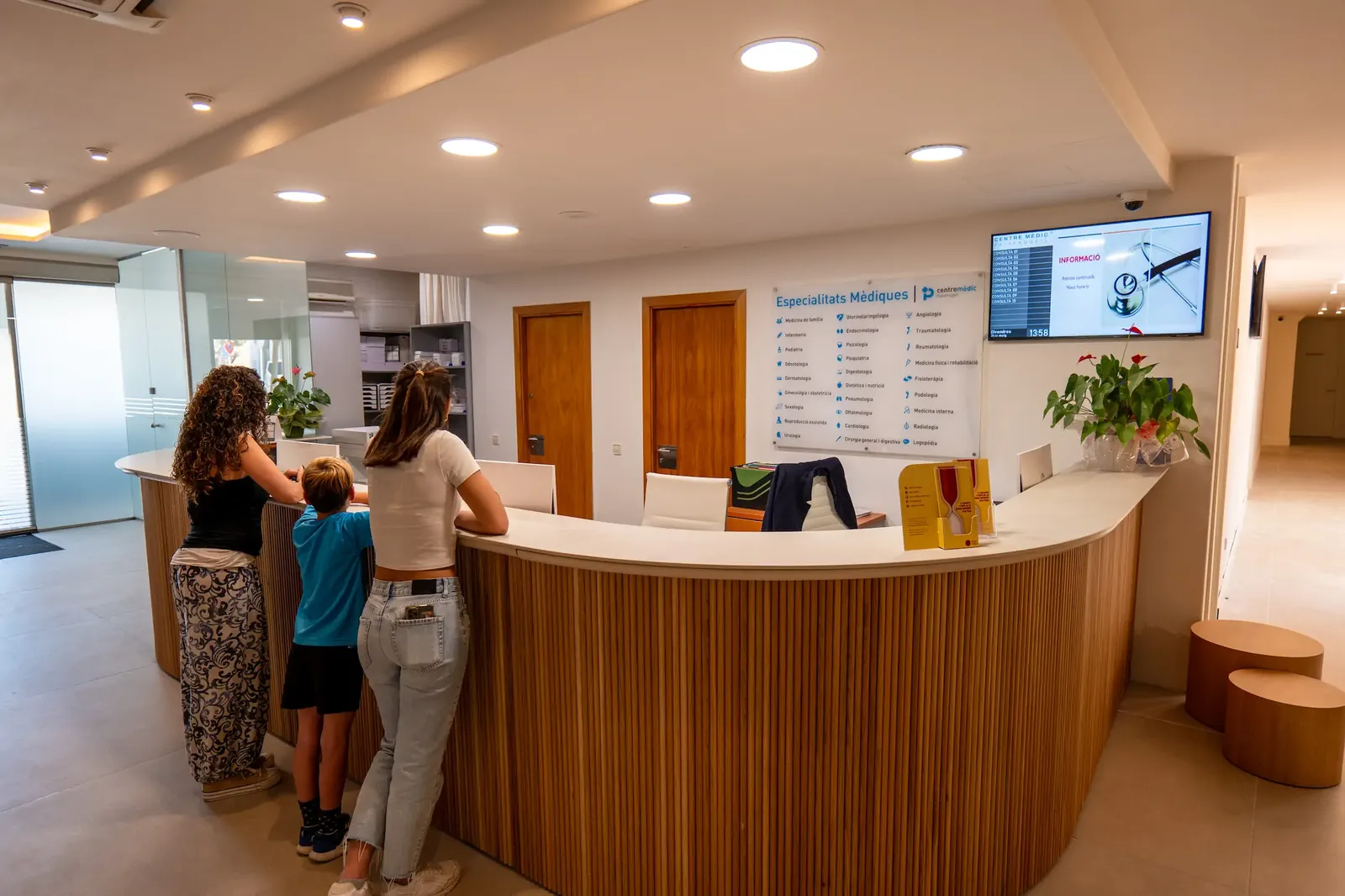
The physiotherapy centre is at Carrer de Sant Sebastià, 87, Palafrugell, telephone 972 30 65 64. You can book by phone or through the contact page, and read more on the physiotherapy page. If you have private insurance, check the list of insurers first: many cover physiotherapy sessions with a prior authorisation.